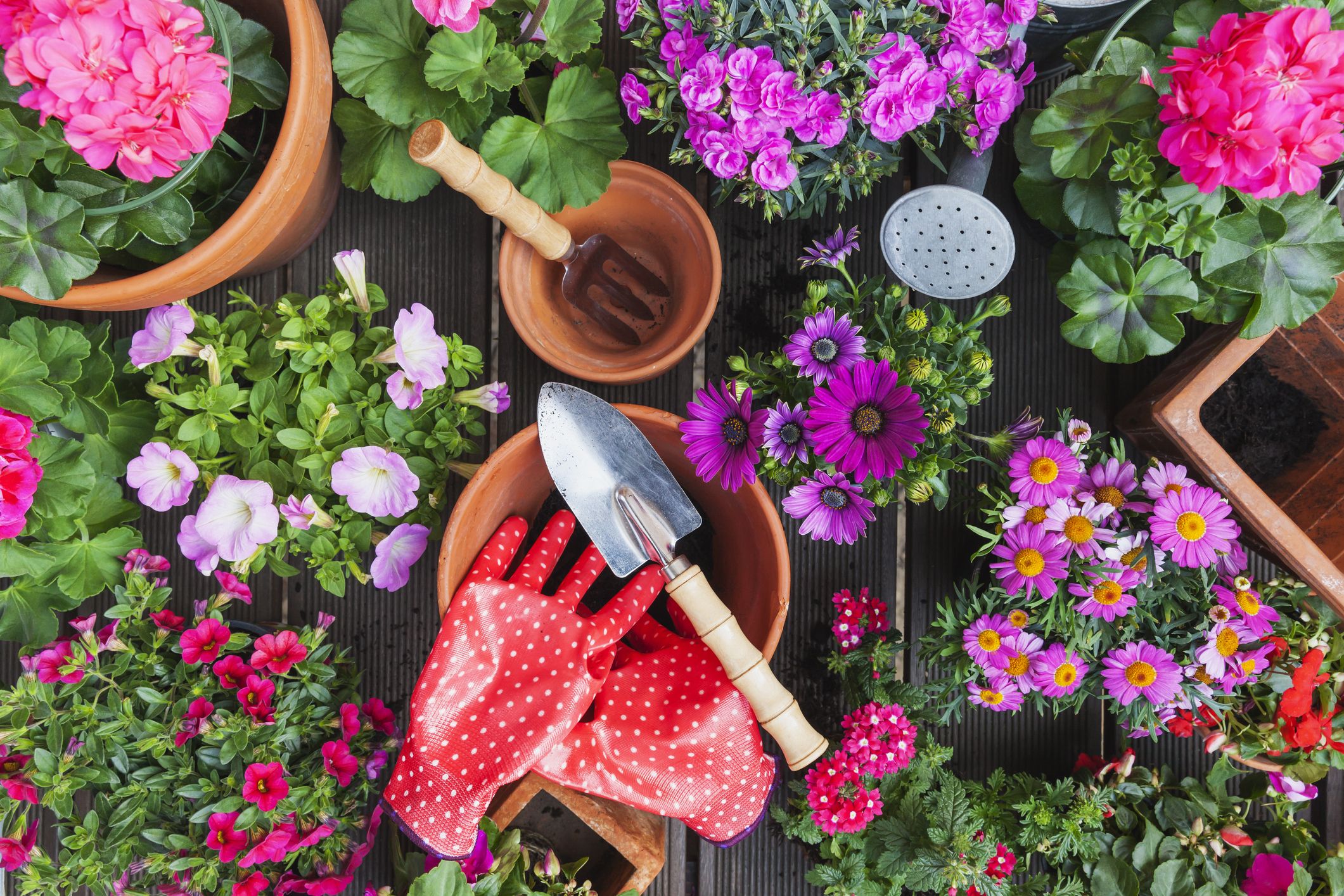
The Art and Science of Gardening A Holistic Guide for Green Thumbs
Gardening is more than just a hobby; it’s a therapeutic journey that allows individuals to connect with nature, foster sustainability, and create vibrant outdoor sanctuaries. In this comprehensive guide, we’ll delve into the art and science of gardening, providing insights, tips, and essential practices to help both novice and experienced gardeners cultivate their own haven of tranquility.
Choosing the Right Plants for Your Garden
Before you start digging into the soil, it’s essential to choose plants that are well-suited to your climate, soil type, and available sunlight. Consider your gardening goals – whether it’s a colorful flower bed, a productive vegetable garden, or a lush green landscape. Understanding the needs of different plants will set the foundation for a thriving garden.
Designing Your Garden Layout
A well-planned garden layout is the key to creating an aesthetically pleasing and functional outdoor space. Consider factors such as plant height, color coordination, and the natural flow of your garden. Experiment with different layouts and arrangements to find a design that complements your style and enhances the overall appeal of your outdoor haven.
Preparing and Enriching the Soil
Healthy soil is the cornerstone of a successful garden. Before planting, assess your soil’s composition and pH levels. Amend the soil with organic matter such as compost to improve its structure and fertility. Understanding your soil’s needs will ensure that your plants receive the necessary nutrients for robust growth.
Sustainable Gardening Practices
In an era of environmental awareness, adopting sustainable gardening practices is not only responsible but also contributes to the overall health of the ecosystem. Consider composting kitchen waste, using rain barrels for water conservation, and avoiding chemical pesticides in favor of natural alternatives. Sustainable gardening not only benefits the environment but also creates a harmonious and balanced garden ecosystem.
Watering Wisdom Finding the Right Balance
Watering is a critical aspect of gardening, and finding the right balance is key. Different plants have varying water requirements, so tailor your watering schedule to suit the needs of each species. Use mulch to retain moisture, water in the early morning or late evening to minimize evaporation, and invest in efficient irrigation systems for larger gardens.
Managing Garden Pests Naturally
Dealing with garden pests doesn’t always require harsh chemicals. Embrace natural pest control methods such as introducing beneficial insects, companion planting, and using organic insecticidal soaps. By maintaining a healthy garden ecosystem, you can minimize the impact of pests without compromising the well-being of your plants.
Seasonal Care and Maintenance
Each season brings its own set of challenges and opportunities for gardeners. Be attuned to the changing needs of your garden throughout the year. Prune plants at the right time, remove weeds promptly, and prepare for seasonal transitions. Understanding the seasonal rhythm of your garden will help you anticipate and address challenges effectively.
Harvesting the Fruits of Your Labor
The joy of gardening culminates in the harvest of fresh produce, vibrant flowers, and the satisfaction of a well-tended garden. Whether you’re picking tomatoes from your vegetable garden or arranging a bouquet of homegrown flowers, savoring the fruits of your labor is a gratifying experience that reflects the nurturing care you’ve invested in your garden.
In conclusion, gardening is a fulfilling and rewarding journey that goes beyond the act of planting and tending to plants. It’s about creating a space that reflects your connection with nature, fosters sustainability, and provides a serene haven for relaxation. By understanding plant needs, embracing sustainable practices, and adapting to the changing seasons, you can cultivate a garden that not only flourishes but also brings joy and tranquility to your life. Happy gardening!