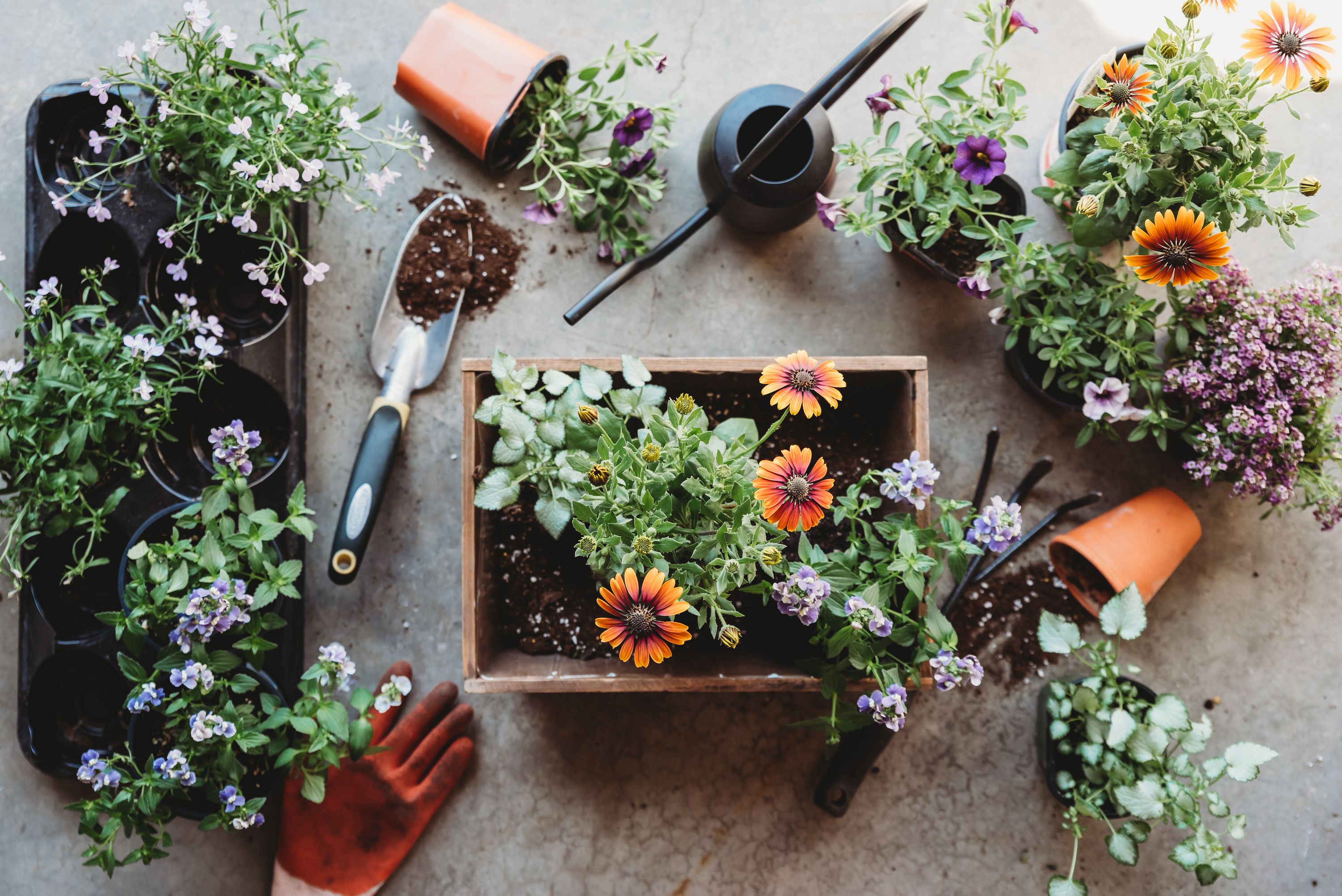
Gardening is more than just a hobby; it’s a therapeutic journey that connects individuals with nature, fosters well-being, and adds beauty to our surroundings. In this comprehensive guide, we will explore the multifaceted benefits of gardening, practical tips for beginners, and delve into the science behind why gardening is not just about growing plants but also cultivating joy.
The Healing Power of Gardening
Nature’s Therapy
Gardening has long been recognized as a form of therapy, offering a retreat from the stresses of daily life. The act of nurturing plants and watching them flourish has a profound impact on mental health. Research suggests that gardening can reduce symptoms of anxiety and depression, providing a natural remedy for the challenges of modern living.
Physical Well-Being in Bloom
Beyond mental health benefits, gardening also contributes to physical well-being. Engaging in activities such as digging, planting, and weeding provides moderate exercise, promoting flexibility and strength. Additionally, exposure to sunlight during gardening encourages the production of vitamin D, vital for bone health and immune function.
Starting Your Gardening Journey
Cultivating a Green Thumb
For beginners, the prospect of starting a garden may seem daunting. However, breaking down the process into manageable steps can make it an enjoyable and rewarding experience.
Choosing the Right Plants
Selecting plants that thrive in your region’s climate and soil conditions is crucial. Consider factors like sunlight, water requirements, and the available space in your garden. Native plants are often a good choice as they are adapted to local conditions.
Preparing the Soil
Good soil is the foundation of a successful garden. Test your soil’s pH and amend it with organic matter to create a nutrient-rich environment. Composting is an excellent way to enhance soil fertility and promote a healthy microbial community.
Watering Wisely
Proper watering is essential for plant growth. Establish a consistent watering routine, and be mindful of each plant’s specific needs. Mulching around plants helps retain moisture and suppress weeds.
The Science Behind Gardening Bliss
Planting Happiness The Science of Endorphins
Gardening is not just about aesthetics; it’s about chemistry. When we engage with soil, a bacterium called Mycobacterium vaccae is released, triggering the release of serotonin in the brain. Serotonin, often referred to as the “happy hormone,” plays a crucial role in regulating mood and promoting a sense of well-being.
Connecting with Nature The Role of Biophilia
Biophilia, the innate human tendency to seek connections with nature, is a concept that underscores the emotional bond between humans and the natural world. Gardening provides a tangible way to satisfy this inherent need, fostering a sense of tranquility and connection.
Gardening has emerged as a powerful stress-relief strategy, with therapeutic benefits that extend beyond the physical act of tending to plants. Research indicates that the combination of physical activity, exposure to nature, and the sense of accomplishment derived from gardening significantly reduces stress levels. As individuals immerse themselves in the rhythmic and mindful tasks of gardening, cortisol levels decrease, promoting a calmer state of mind and contributing to an overall sense of well-being.
Embarking on a gardening journey is not just about growing plants; it’s a holistic experience that nurtures the mind, body, and soul. From the therapeutic benefits of hands in the soil to the science behind the happiness triggered by planting and nurturing, gardening offers a profound connection with nature. So, whether you have a small balcony or a spacious backyard, consider cultivating your own piece of paradise—it might just be the key to unlocking a healthier, happier you.