Mastering the Language of Light: A Deep Dive into Lighting Techniques and Trends
Lighting is a powerful design element that goes beyond mere functionality, shaping the ambiance and aesthetics of any space. This comprehensive guide explores the world of lighting, from the fundamentals of lighting design to the latest trends and technologies, offering insights to help you create a well-lit environment that seamlessly blends beauty and functionality.
The Language of Light: Beyond Illumination
- Designing with Light: Unveiling the Artistry in Illumination
This long-tail keyword emphasizes the artistic aspect of lighting design, highlighting the idea that lighting is not just about illumination but a form of art that can transform and elevate any space.
Understanding the Basics: The Foundation of Effective Lighting
- Natural vs. Artificial Lighting: Striking a Balance
Understanding the interplay between natural and artificial lighting is crucial in creating a well-balanced and harmonious environment. Maximizing natural light not only reduces energy consumption but also enhances the overall well-being of occupants. Meanwhile, strategic use of artificial lighting complements natural light, providing consistent illumination throughout the day.
- Types of Lighting Fixtures: Choosing the Right Fit
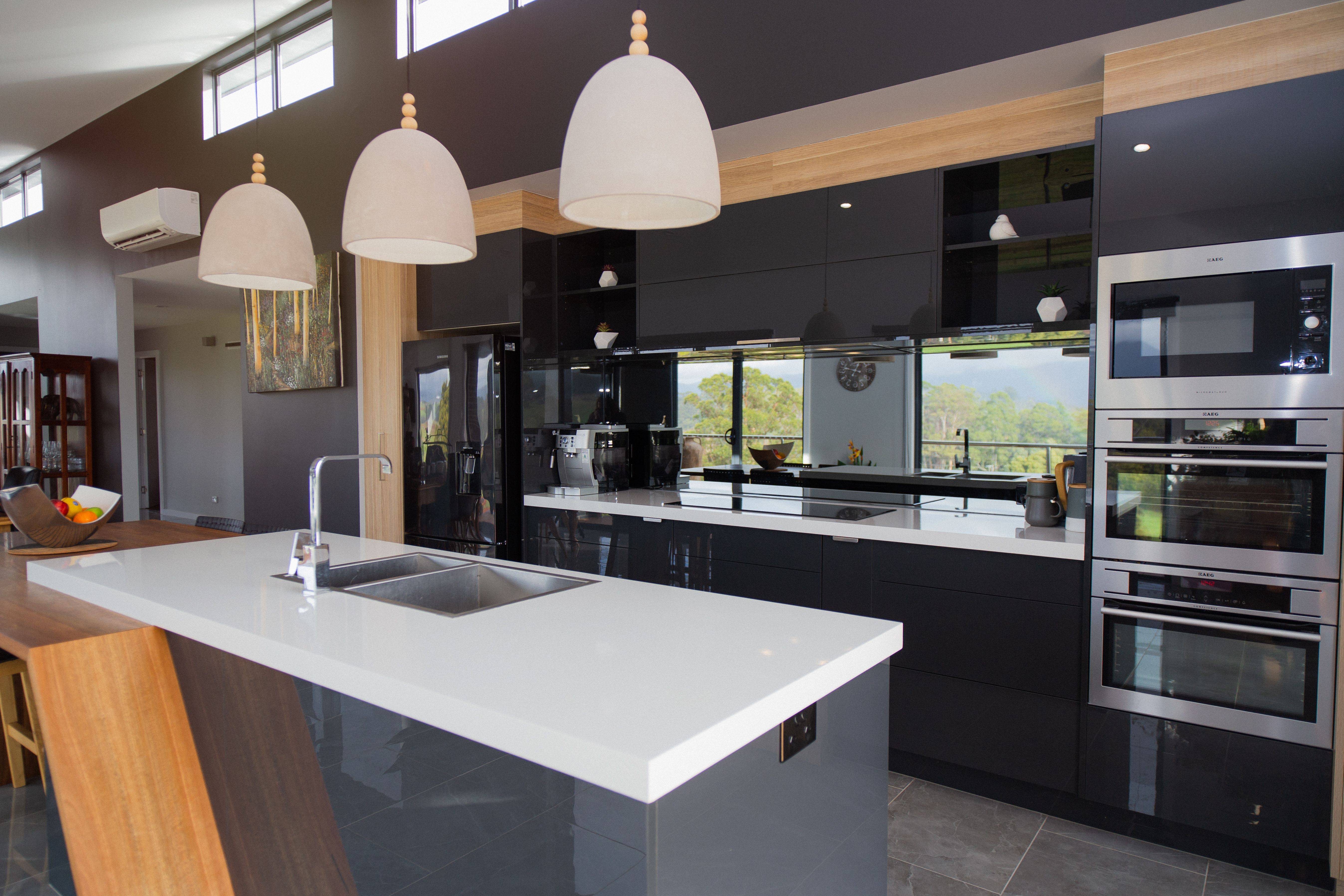
From chandeliers and pendant lights to recessed and track lighting, the variety of lighting fixtures available allows for endless possibilities in design. Each type serves a unique purpose, whether it’s creating a focal point, accentuating architectural features, or providing task lighting in specific areas. Selecting the right fixtures is a key consideration in achieving the desired lighting effect.
- Color Temperature: Setting the Mood
Color temperature, measured in Kelvin (K), plays a pivotal role in setting the mood of a space. Warm temperatures (e.g., 2700K) create a cozy and inviting atmosphere, while cooler temperatures (e.g., 5000K) contribute to a more energizing and vibrant ambiance. Understanding color temperature helps in selecting lighting that complements the intended mood and function of a room.
Designing with Layers: Creating Depth and Dimension
- Layers of Brilliance: Crafting Depth in Lighting Design
Effective lighting design involves layering different types of lighting to create depth and dimension. The three primary layers include ambient lighting (general illumination), task lighting (focused on specific activities), and accent lighting (highlighting focal points or architectural features). The combination of these layers ensures a well-balanced and visually appealing lighting scheme.
Lighting Trends and Innovations: Staying Ahead of the Curve
- The Future of Light: Exploring Trends and Innovations in Lighting Design
The world of lighting is dynamic, with constant advancements and evolving trends. From the integration of smart lighting systems to the use of sustainable and energy-efficient LED technology, staying informed about the latest innovations allows homeowners and designers to stay ahead of the curve and incorporate cutting-edge solutions into their spaces.
Outdoor Lighting: Extending the Beauty Beyond the Walls
- Al Fresco Brilliance: Outdoor Lighting for Functional and Aesthetic Appeal
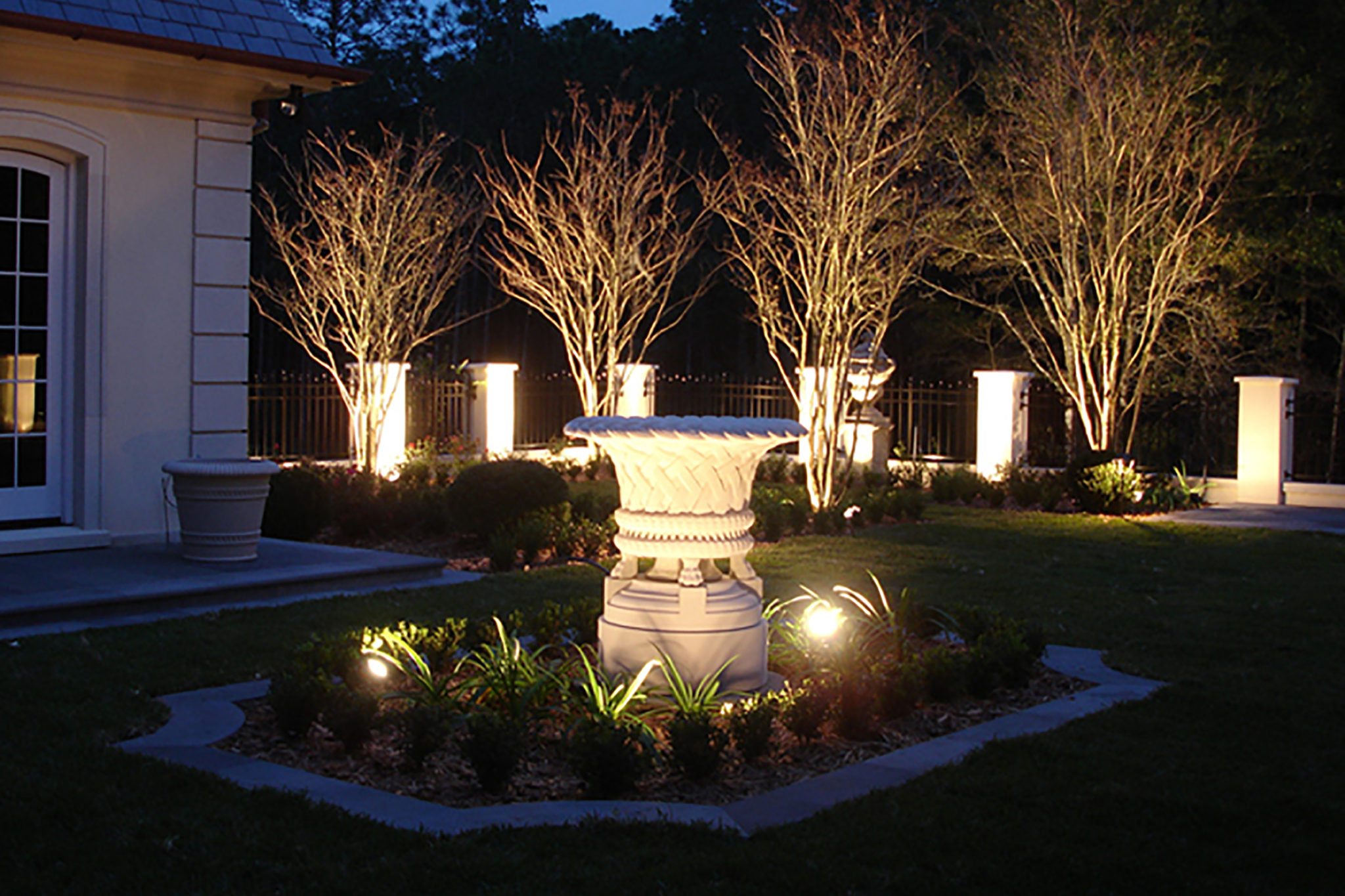
Outdoor lighting serves a dual purpose, enhancing the safety and security of outdoor spaces while also contributing to the overall aesthetic appeal of a property. From pathway lights and garden spotlights to architectural and landscape lighting, thoughtful outdoor lighting design transforms exteriors into captivating and functional areas.
Energy Efficiency in Lighting: Sustainable and Smart Solutions
- Bright and Green: Embracing Energy-Efficient Lighting Solutions
The shift towards energy efficiency is a crucial consideration in lighting design. LED technology, in particular, has revolutionized the industry by offering a sustainable and cost-effective alternative to traditional incandescent and fluorescent bulbs. Energy-efficient lighting not only reduces environmental impact but also leads to long-term cost savings for homeowners.
Lighting and Interior Design: A Symbiotic Relationship
- Design Harmony: Integrating Lighting seamlessly into Interior Spaces
Lighting and interior design are inseparable partners, working together to create a cohesive and visually appealing space. Thoughtful lighting design enhances the architectural features, color schemes, and furnishings of a room, contributing to the overall aesthetic and functionality of the interior.
Maintenance and Upkeep: Ensuring Longevity and Performance
- Shining Bright: Tips for Maintaining and Upkeeping Lighting Systems
Proper maintenance is essential to preserve the performance and longevity of lighting systems. Regular cleaning, checking for loose connections, and promptly replacing burnt-out bulbs or faulty fixtures contribute to a consistently well-lit and safe environment.
Conclusion: The Artistry of Illumination
In the tapestry of interior design, lighting emerges as a brushstroke that adds depth, warmth, and character to every space. Whether you’re revamping your home’s lighting or starting from scratch, the journey into lighting design is an exploration of creativity, functionality, and the transformative power of illumination.