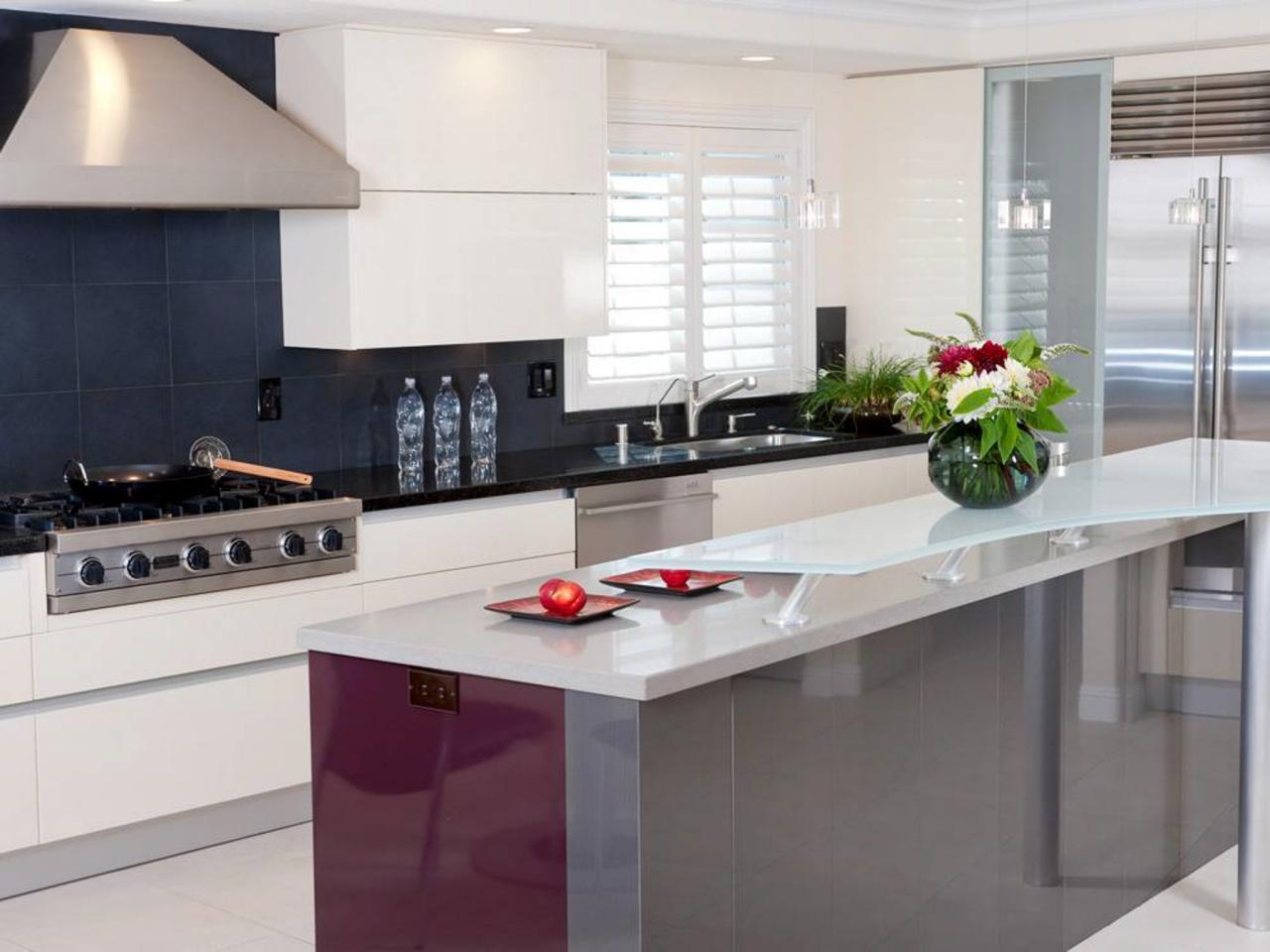
Designing Delight: A Masterclass in Kitchen Design
Setting the Stage: Understanding the Essence of Kitchen Design
The kitchen is more than just a space for preparing meals; it’s the heart of the home, a place where culinary creativity and family gatherings intertwine. Crafting a well-thought-out kitchen design involves a delicate balance of functionality, aesthetics, and personal style. From layout considerations to material choices, let’s embark on a journey to create a culinary canvas that is both timeless and tailored to your lifestyle.
- The Role of Kitchen Design
Kitchen design extends beyond mere aesthetics; it’s a harmonious blend of form and function. A well-designed kitchen maximizes efficiency, promotes organization, and provides a welcoming environment for both cooking and socializing. Whether you’re starting from scratch or considering a remodel, understanding the key elements of kitchen design is essential for creating a space that truly reflects your taste and meets your needs.
Essential Elements of Kitchen Design
1. Layout
The layout is the foundation of kitchen design, determining the flow and functionality of the space. Common layouts include:
- Galley: Ideal for smaller spaces, with parallel counters and efficient workflow.
- L-Shaped: Offers flexibility and is suitable for open-concept living.
- U-Shaped: Maximizes storage and counter space, creating a cohesive work triangle.
- Island: Adds a central focal point and additional workspace.
Consider your kitchen’s size and the way you use the space when choosing the layout that suits your needs.
2. Cabinetry and Storage
Cabinetry serves as both a functional necessity and a design element in the kitchen. Choose cabinets that not only provide ample storage but also complement the overall aesthetic. Options range from sleek, modern designs to classic, traditional styles. Consider features such as soft-close doors, pull-out shelves, and built-in organizers for added convenience.
3. Countertops
Countertops are not only work surfaces but also contribute significantly to the kitchen’s visual appeal. Popular choices include granite, quartz, marble, and butcher block. Each material has unique characteristics, from durability to aesthetics, so select one that aligns with your cooking habits and design preferences.
4. Appliances
Appliances are the backbone of the kitchen, and their placement is crucial for a smooth workflow. High-quality, efficient appliances not only enhance functionality but also contribute to the overall design. Consider built-in or integrated appliances for a seamless look, and invest in energy-efficient options for sustainability.
Creating a Rustic Oasis: Timeless Kitchen Design with a Modern Twist
For homeowners seeking a balance between timeless charm and contemporary flair, infusing a touch of rustic aesthetics into modern kitchen design provides a unique and inviting atmosphere.
The Art of Aesthetics: Choosing Colors and Finishes
- Color Palette
The color palette sets the tone for the kitchen’s atmosphere. Neutral tones such as whites, grays, and beiges create a timeless and versatile backdrop. Bold colors, when used strategically, can add character and personality. Consider the overall style and mood you want to achieve when selecting a color scheme.
- Backsplash and Wall Finishes
The backsplash is an opportunity to introduce texture and visual interest. From classic subway tiles to intricate mosaic patterns, the backsplash can be a focal point in the kitchen. Experiment with materials like glass, ceramic, or even exposed brick for a touch of character.
- Flooring
Flooring choices should balance practicality with aesthetics. Hardwood floors lend warmth and elegance, while tile or stone floors offer durability and easy maintenance. Consider the level of foot traffic and potential exposure to spills when choosing the flooring material.
- Lighting Fixtures
Lighting fixtures are not just functional; they are also design elements that contribute to the overall ambiance. Pendant lights over an island, under-cabinet lighting for task areas, and statement chandeliers all play a role in creating a well-lit and visually appealing kitchen.
Trends and Innovations in Kitchen Design
- Smart Technology Integration
As technology becomes increasingly integrated into homes, smart kitchen appliances and systems are gaining popularity. From smart refrigerators to voice-activated assistants, incorporating technology into your kitchen design adds convenience and a modern touch.
- Sustainable Materials
Sustainability is a growing consideration in kitchen design. Opting for eco-friendly materials such as recycled glass countertops, bamboo cabinetry, and energy-efficient appliances allows homeowners to create a kitchen that aligns with their environmental values.
- Open Shelving
Open shelving is a trend that continues to gain traction, offering a more accessible and visually expansive feel to the kitchen. Displaying carefully curated items on open shelves adds a personal touch and breaks up the monotony of closed cabinetry.
- Multi-Functional Spaces
Modern kitchen design often incorporates multi-functional spaces that go beyond cooking and dining. Consider adding a cozy seating area, a built-in desk, or even a mini bar to make the kitchen a versatile hub for various activities.
Efficiency Meets Elegance: Future-Proofing Your Kitchen Design with Sustainable Practices
As sustainability becomes a focal point in design decisions, homeowners are increasingly seeking ways to future-proof their kitchens. Integrating sustainable practices into the design process ensures a kitchen that is both efficient and environmentally conscious.
Personalizing Your Kitchen Design
- Personal Touches
Infuse your personality into the kitchen design by incorporating personal touches. This could include unique artwork, family photos, or even a collection of kitchenware that holds sentimental value. These details add warmth and individuality to the space.
- Functionality Tailored to Your Lifestyle
Consider your daily routines and lifestyle when designing the kitchen. If you love entertaining, prioritize ample counter space and seating areas. For avid cooks, invest in high-quality appliances and well-organized storage. Tailoring the design to your lifestyle ensures a kitchen that is both practical and enjoyable.
- Consultation with Design Professionals
Engaging with design professionals can provide valuable insights and expertise. Interior designers and kitchen specialists can help you navigate the myriad choices in materials, layouts, and finishes, ensuring a cohesive and well-executed design.
- Flexibility for Future Changes
Anticipate future needs by incorporating flexible design elements. Opt for modular furniture, movable islands, or adaptable storage solutions that can be reconfigured as your lifestyle evolves.
In conclusion, designing a kitchen is a blend of art and science, a journey that goes beyond the mere arrangement of cabinets and appliances. It’s about creating a space that reflects your personality, supports your lifestyle, and stands the test of time. By understanding the essential elements, embracing current trends, and infusing personal touches, you can craft a kitchen design that is both functional and aesthetically captivating—a culinary haven for years to come.